GSLV vs LVM3: Why ISRO Is Retiring One Rocket to Bet on the Other (2026)
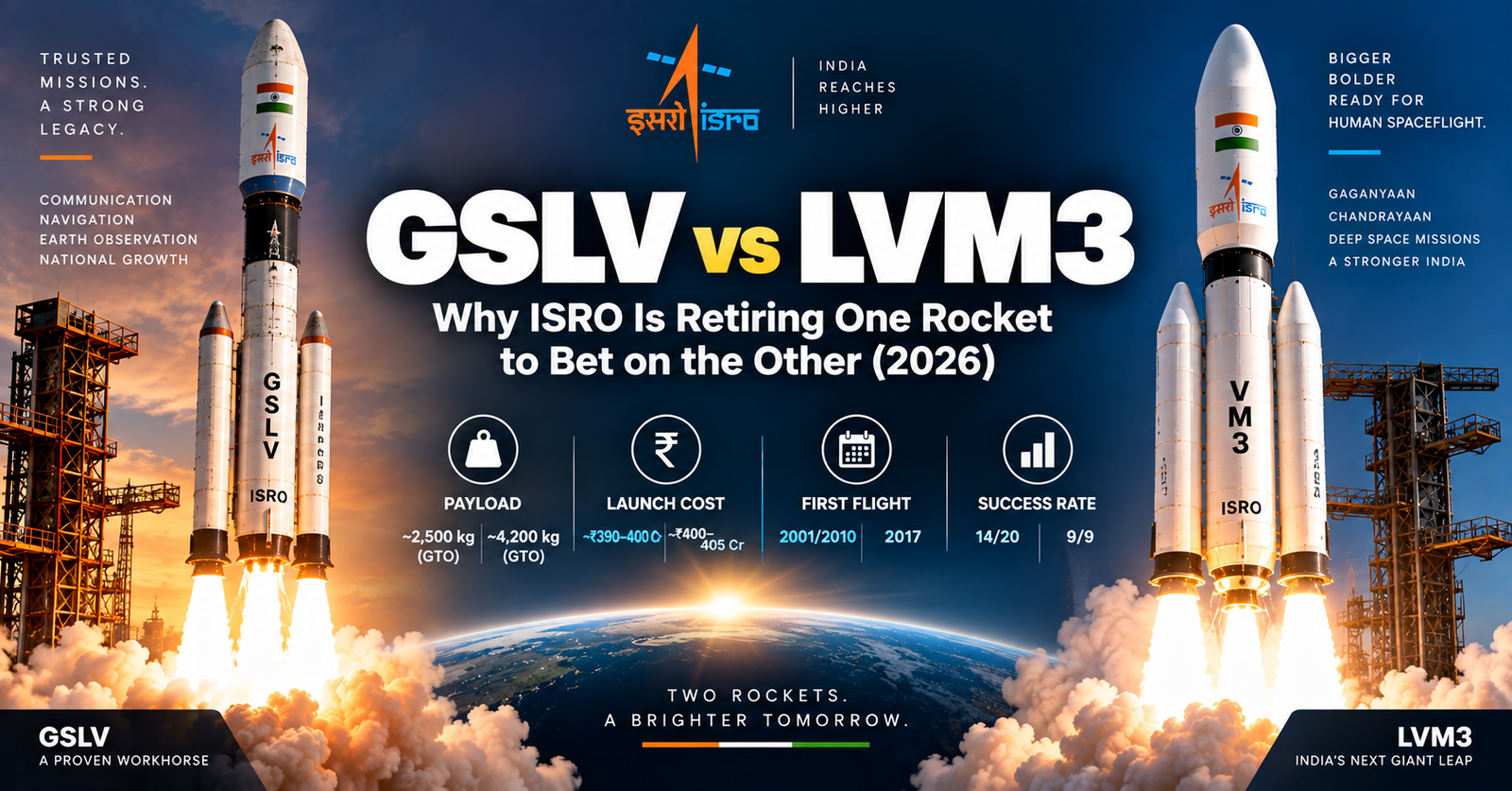
GSLV vs LVM3 comparison: GSLV Mk II rocket lifting off carrying the NISAR satellite

Quick Comparison GSLV payload (GTO) About 2,500 kg LVM3 payload (GTO) About 4,200 kg GSLV cost per launch Roughly Rs 390 to 400 crore LVM3 cost per launch Roughly Rs 400 to 405 crore GSLV first flight 2001 (Mk I), 2010 (Mk II) LVM3 first flight 2017 GSLV flights so far 20, with 14 fully … Read more
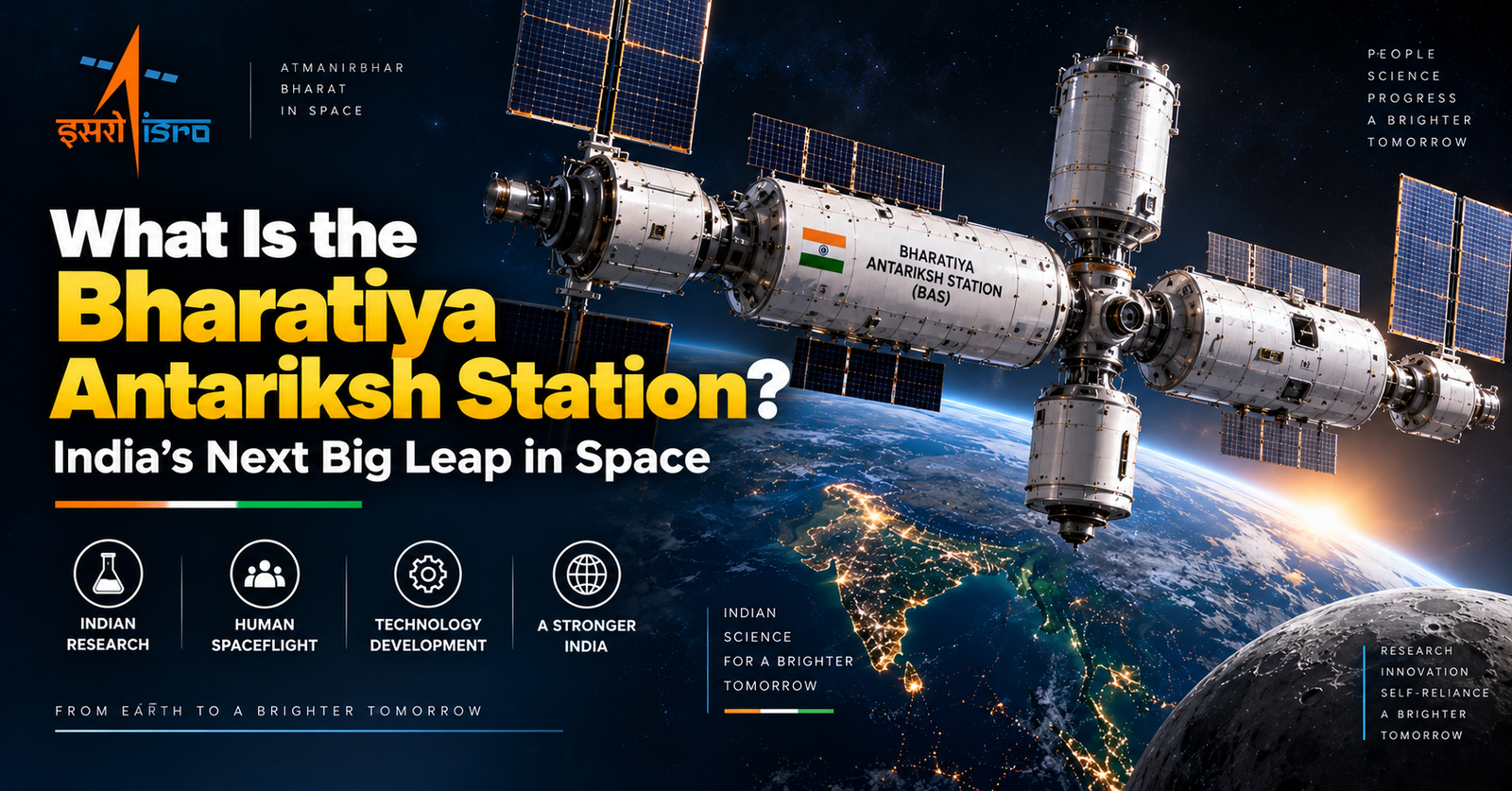
Bharatiya Antariksh Station: India’s Plan for Its Own Space Station, Explained

Bharatiya Antariksh Station India’s Space Future

Mission File Programme Bharatiya Antariksh Station (BAS) Announced 18 September 2024 Lead agency ISRO, under the Gaganyaan Programme BAS-1 budget Rs 1,763 crore First module (BAS-1) Targeted late 2028 Full station target 2035 Orbit 400 to 450 km, about 51.5 degree inclination Crew capacity 3 to 4 (up to 6 for short stays) In This … Read more

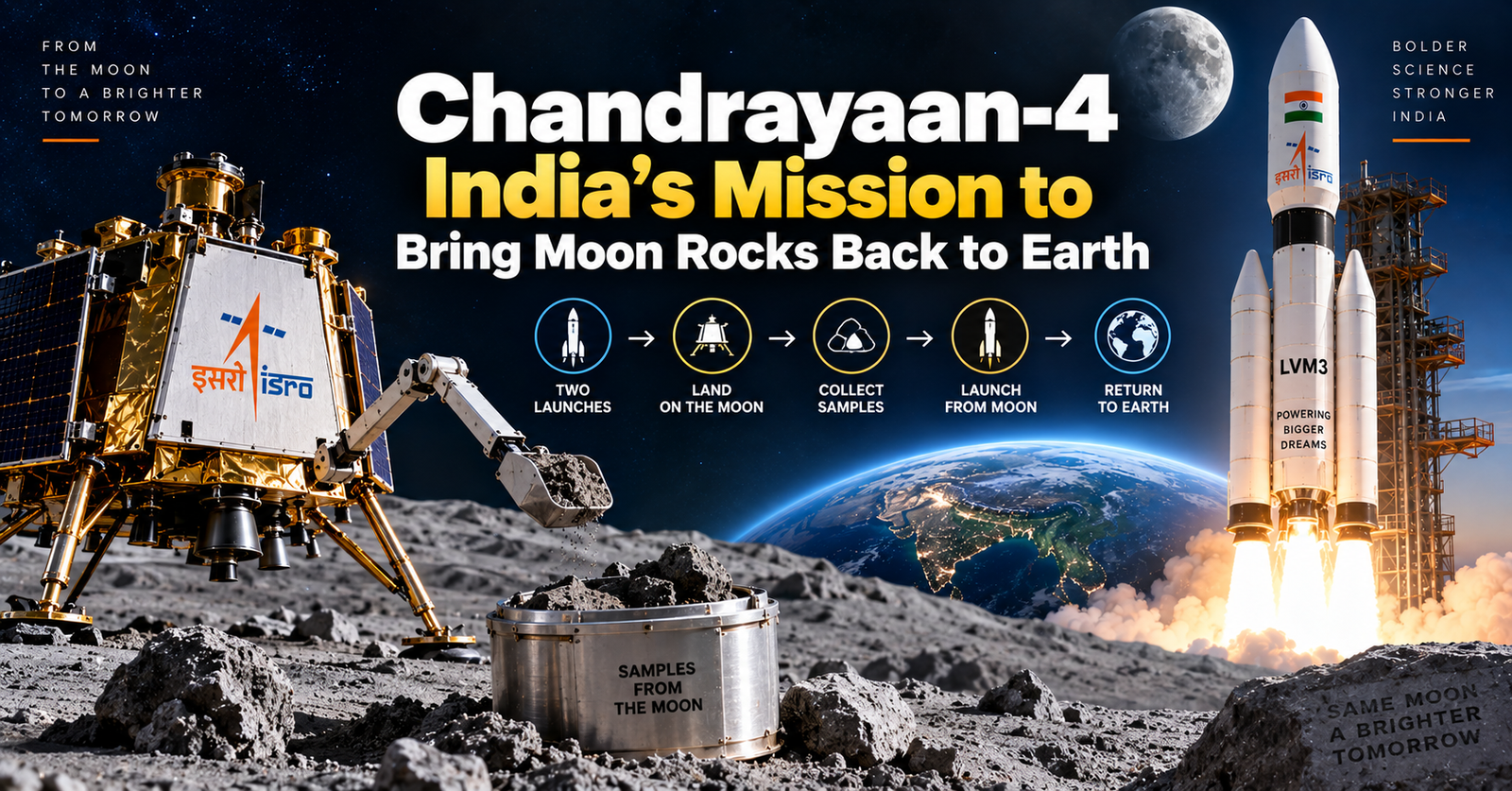
Chandrayaan-4: India’s Mission to Bring Moon Rocks Back to Earth

India’s Mission to Bring Moon Rocks Back to Earth

Chandrayaan-4 is ISRO’s ambitious lunar sample-return mission, designed to collect 2–3 kg of Moon rocks and soil and bring them safely back to Earth. Targeted for 2028, the mission will use two LVM3 launches, orbital docking, a lunar lander and ascender, and an Earth re-entry module making it India’s most complex Moon mission yet.

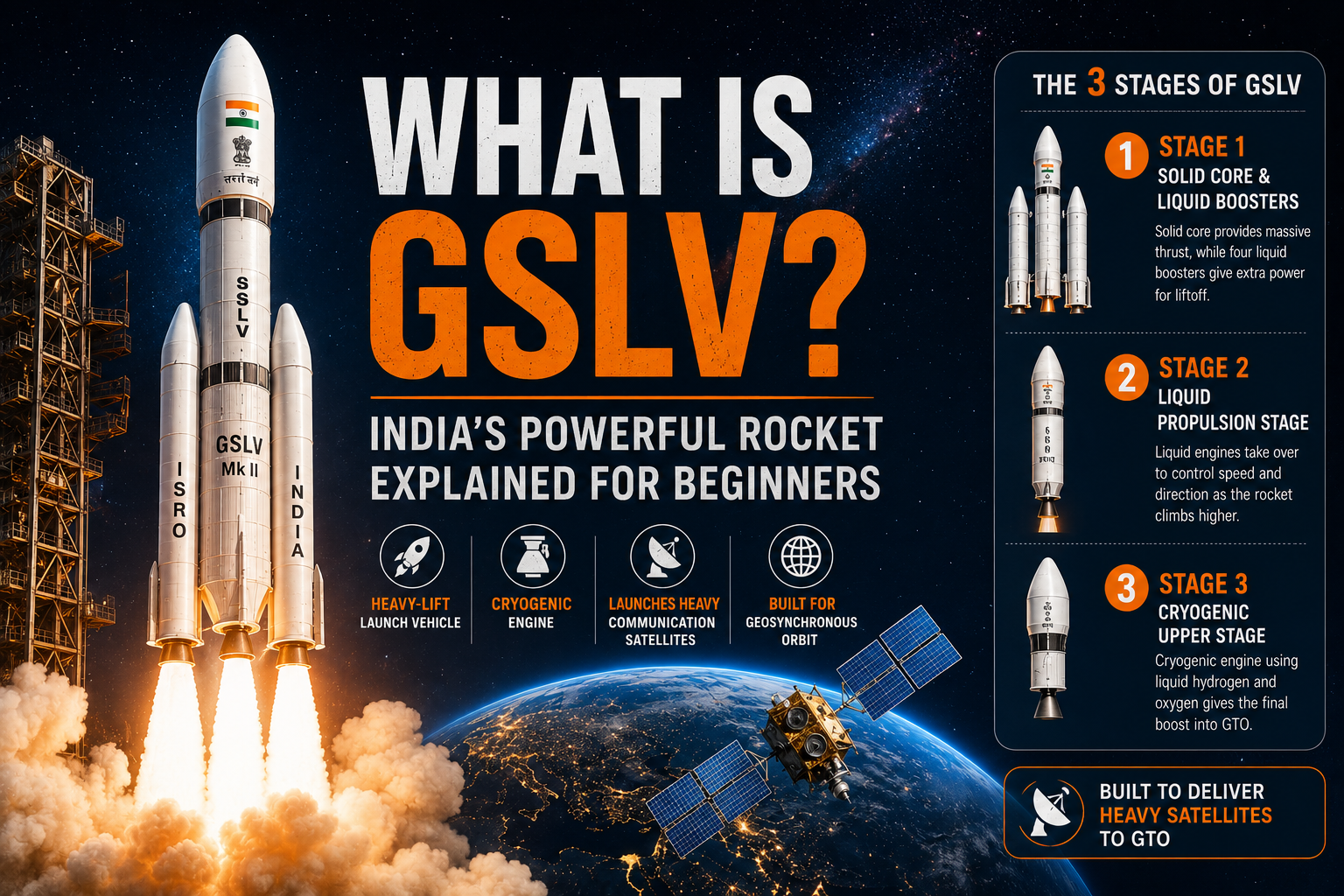
What is GSLV? India’s Powerful Rocket Explained for Beginners (2026)

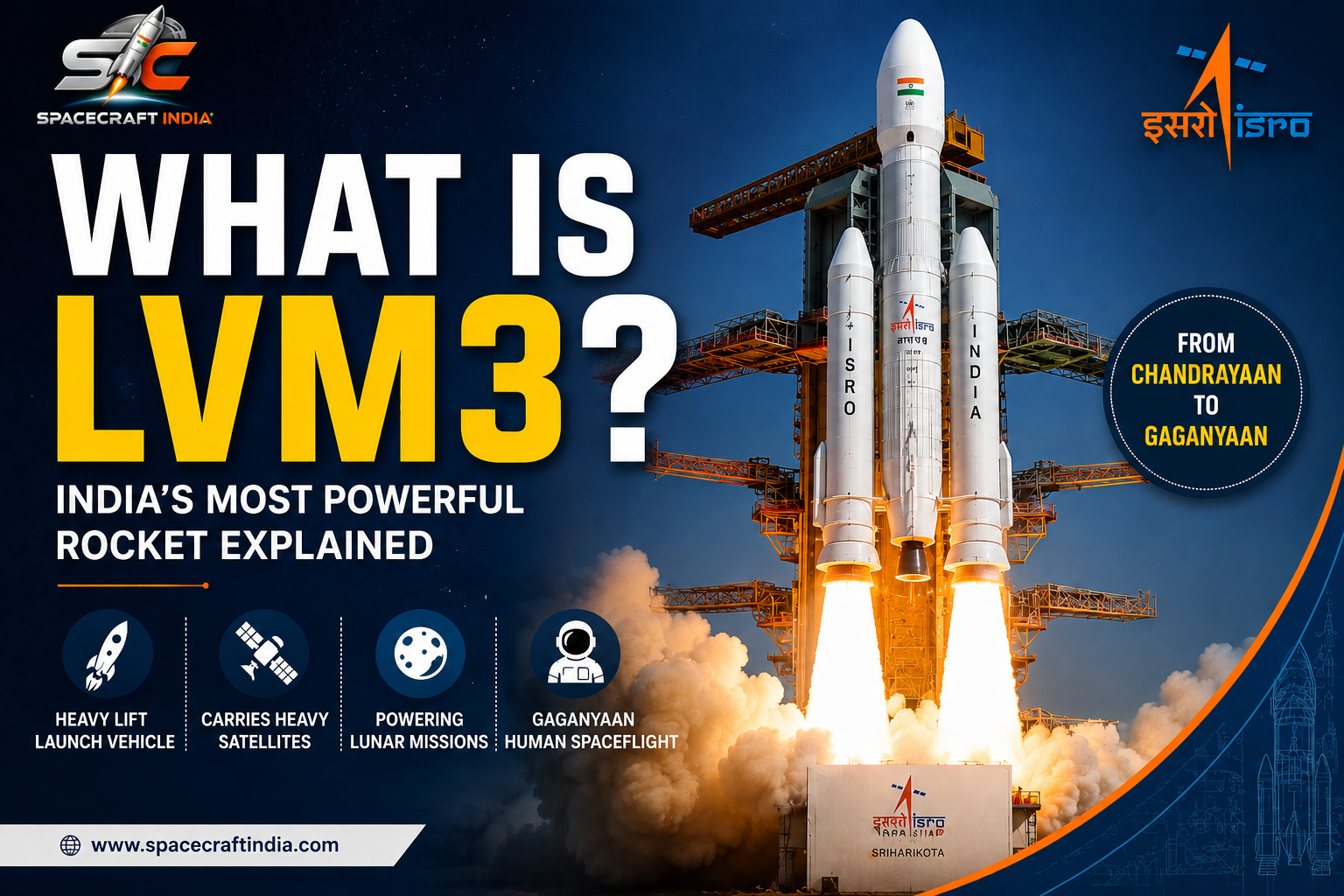
GSLV rocket

Discover everything about GSLV, India’s powerful Geosynchronous Satellite Launch Vehicle. Learn how it works, why its cryogenic engine is a breakthrough, its three-stage design, major ISRO missions, and how GSLV differs from PSLV—all explained in simple language for students, beginners, and space enthusiasts.