Vikram-1: India’s First Private Orbital Rocket Explained
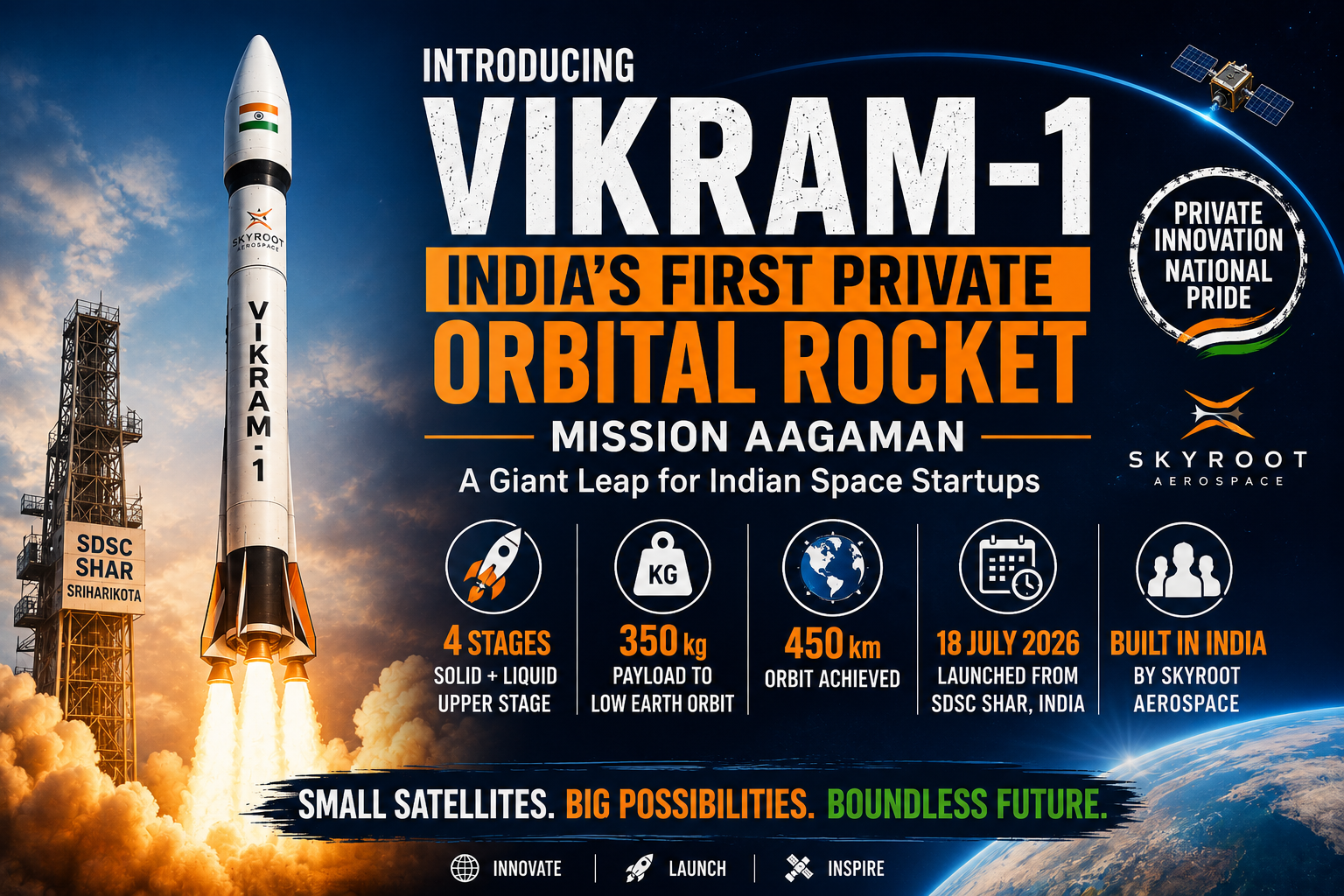
Learn how Vikram-1 became India’s first private orbital rocket, how Mission Aagaman worked, and what it means for Indian space startups

Learn how Vikram-1 became India’s first private orbital rocket, how Mission Aagaman worked, and what it means for Indian space startups
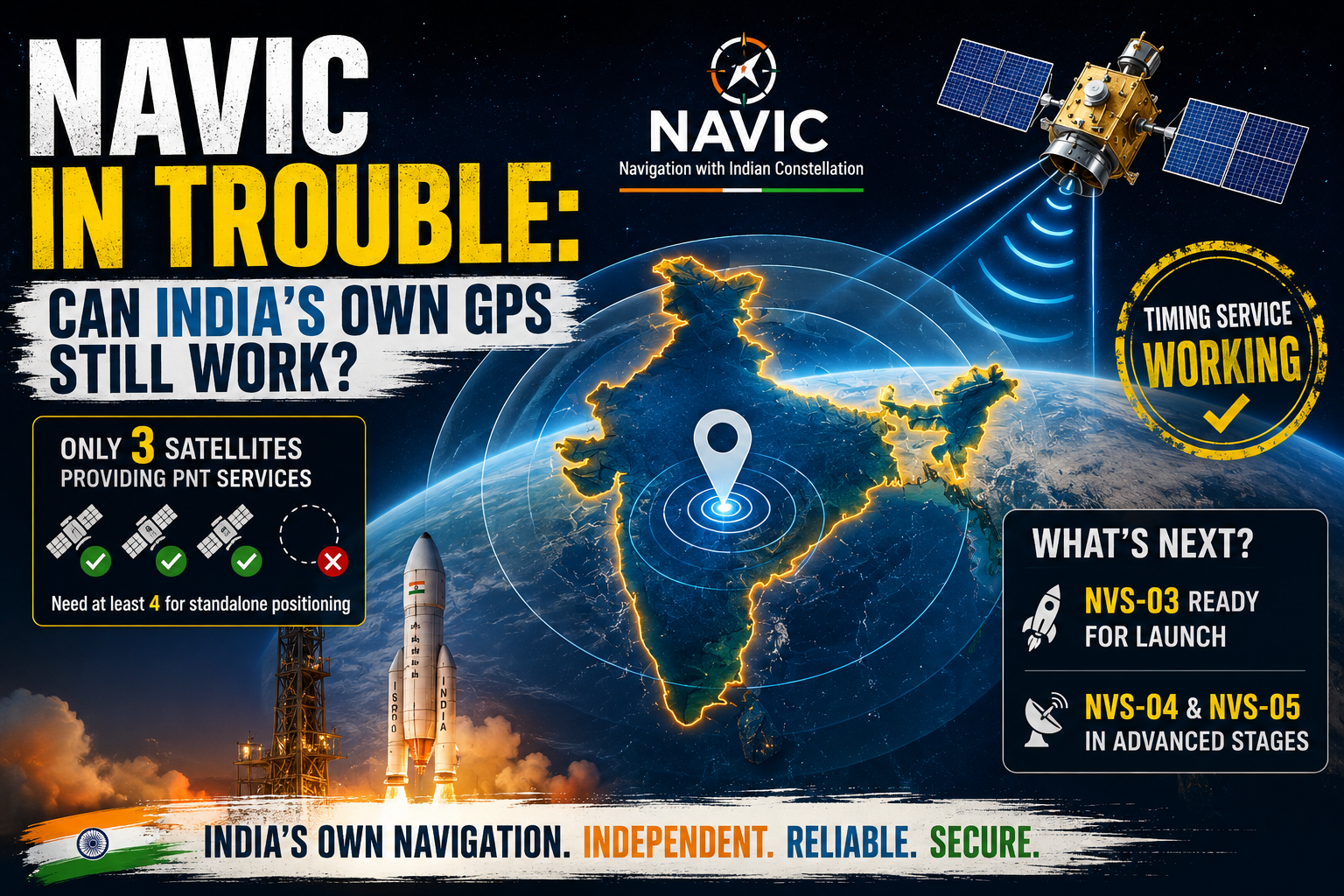
India’s NavIC satellite system has fallen to just three PNT-capable satellites, leaving it unable to provide standalone positioning. Here’s what went wrong, what still works, and how NVS-03 could help restore India’s own GPS.
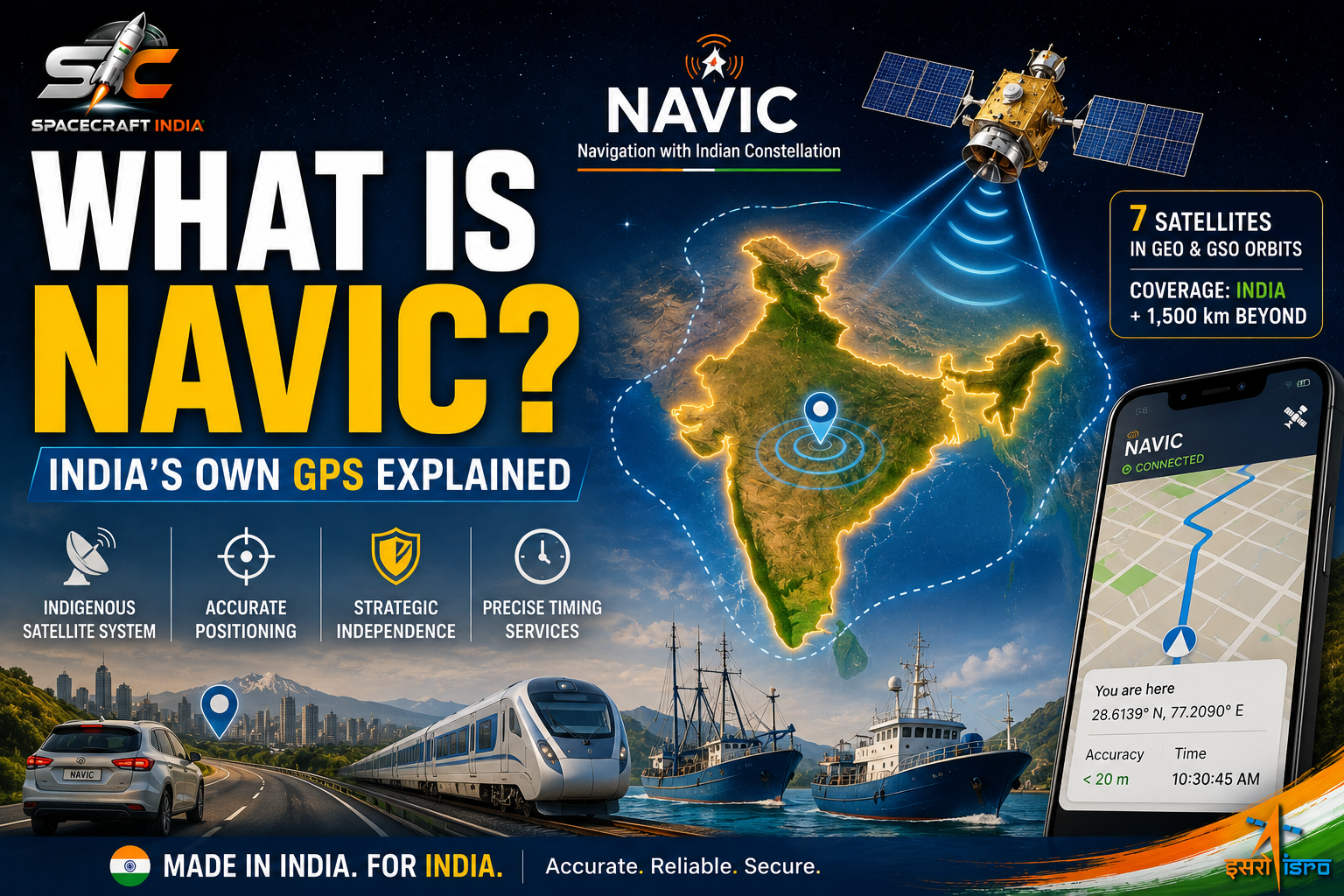
Discover what NavIC is, how India’s indigenous satellite navigation system works, how it compares with GPS, and why it is becoming increasingly important for transportation, defence, and everyday navigation.
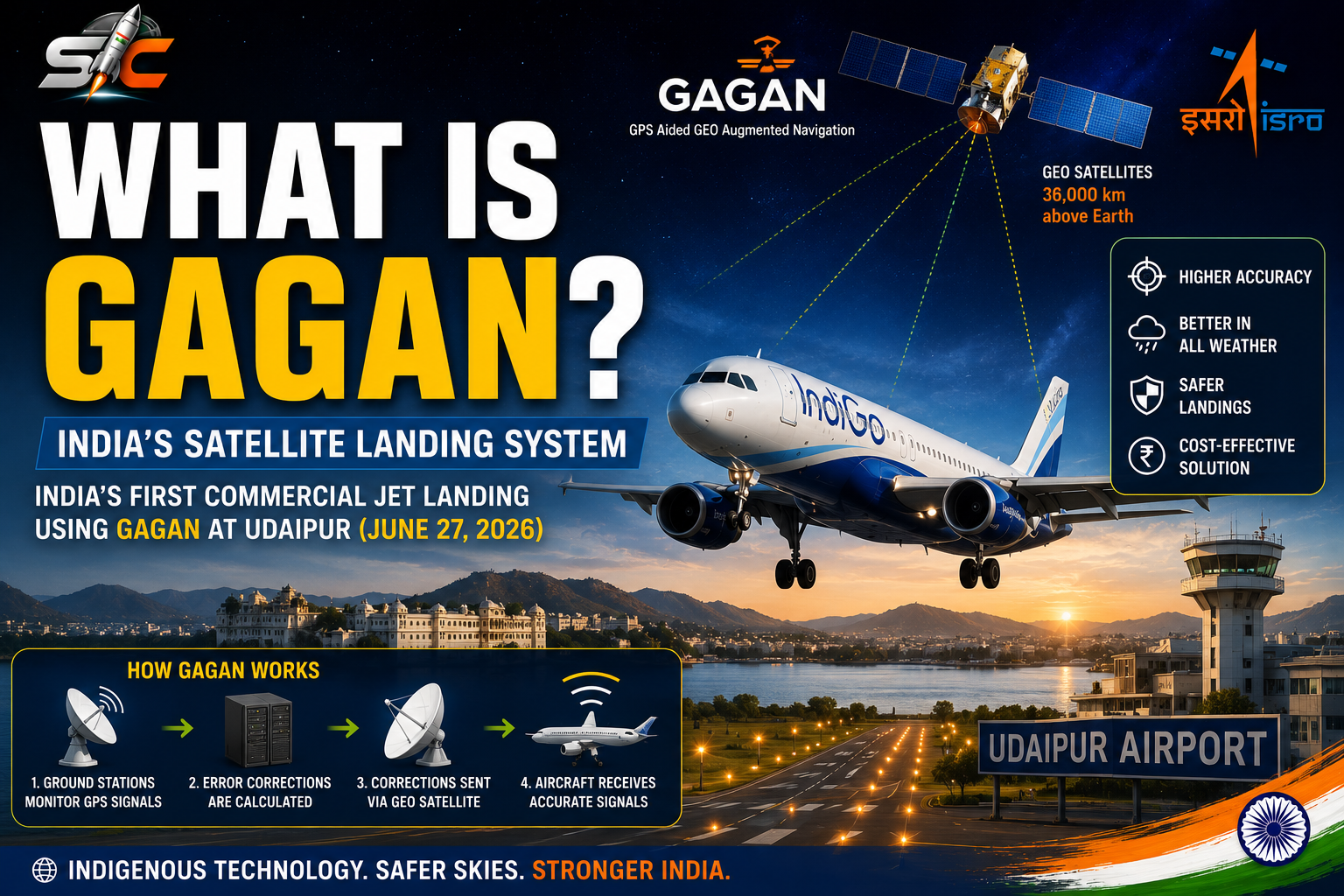
Discover what GAGAN is, how ISRO’s indigenous satellite navigation system guided India’s first commercial jet landing, and why this breakthrough is transforming the future of Indian aviation.
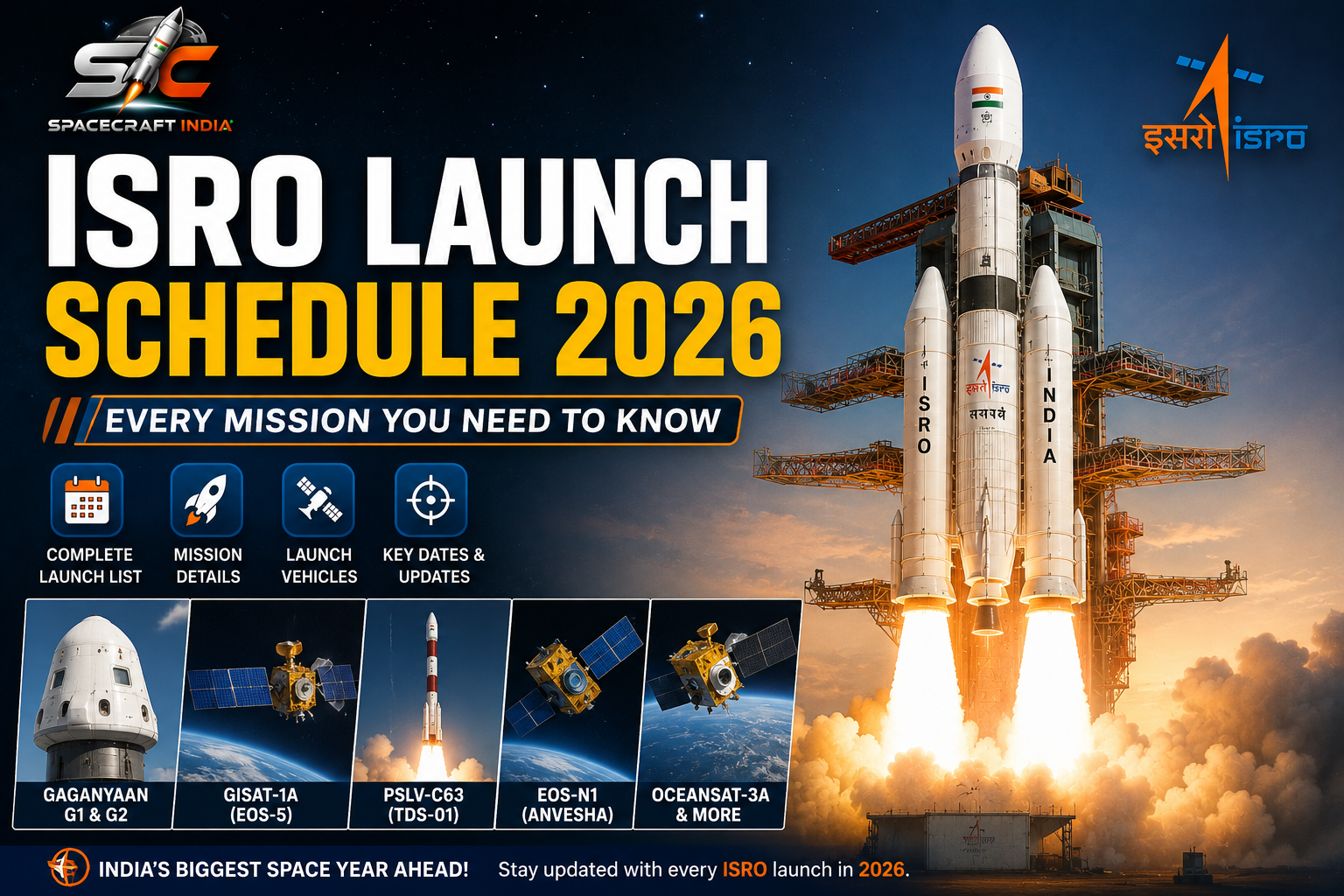
A complete look at ISRO’s 2026 launch calendar — Gaganyaan G1, GISAT-1A, PSLV-C63, EOS-N1, Oceansat-3A and more, with dates, vehicles, and what each mission means.
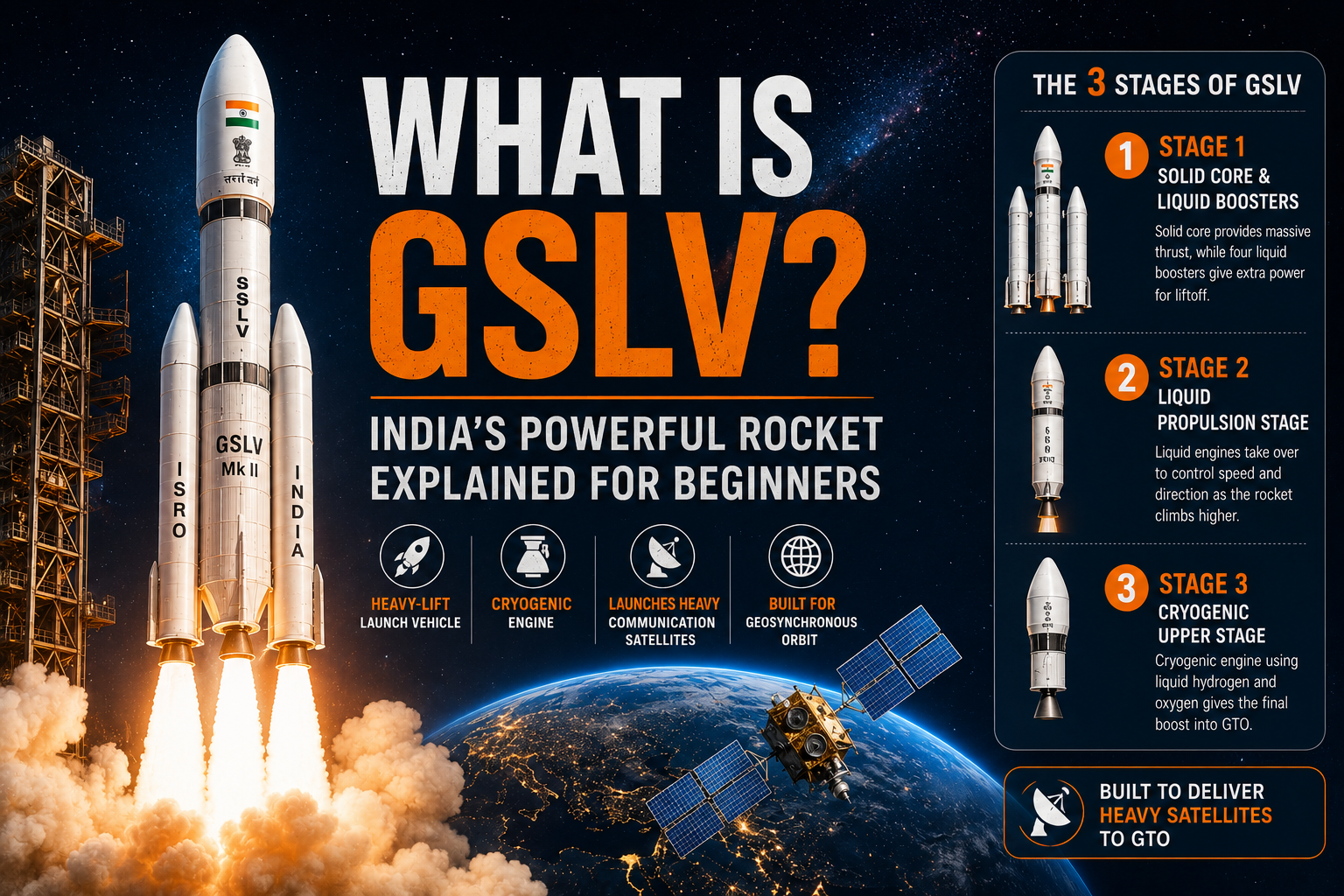
Discover everything about GSLV, India’s powerful Geosynchronous Satellite Launch Vehicle. Learn how it works, why its cryogenic engine is a breakthrough, its three-stage design, major ISRO missions, and how GSLV differs from PSLV—all explained in simple language for students, beginners, and space enthusiasts.
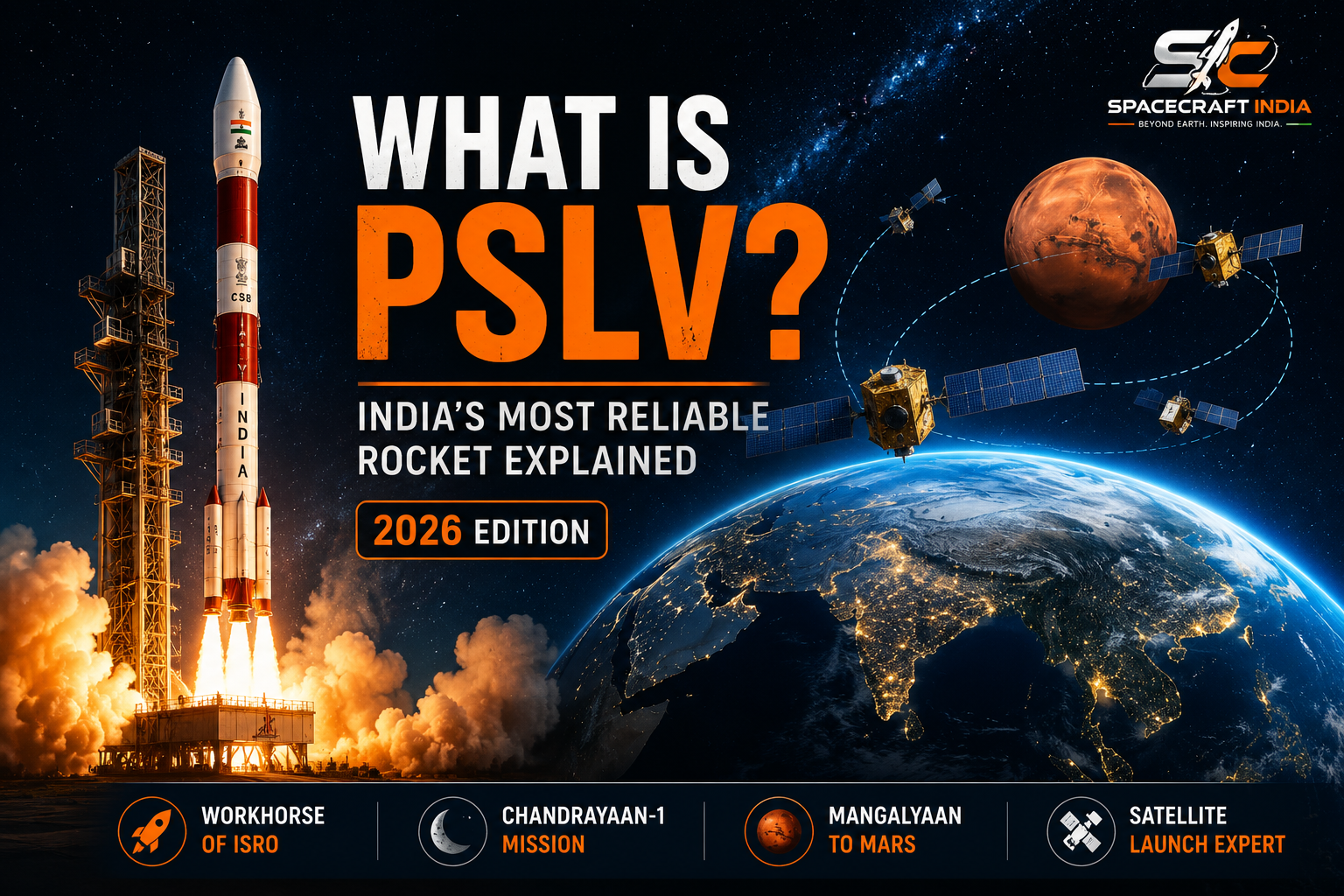
PSLV is ISRO’s most reliable workhorse rocket — the vehicle behind Chandrayaan-1, Mangalyaan, Aditya-L1 and dozens of satellite launches. Here’s how it works and why it matters.